Restaurant Exhaust Fan Repair in Huntsville, AL
Restaurant exhaust fan repair in Huntsville fixes the rooftop fan that pulls smoke and grease out of your hood: belts, bearings, motors, hinge kits and full fan replacement. When the hood stops drawing, the cause is on the roof, and a dead fan usually means a dead cook line until it runs again.
Exhaust Fan Repairs for Huntsville Restaurant Kitchens
Kitchen exhaust fan repair covers the moving and electrical parts of the fan, while cleaning covers the grease on it. The two overlap on the roof: a hood cleaner with the fan tilted open sees a worn belt or a noisy bearing before anyone downstairs hears it. The repairs that come up most:
- Belt replacement and tension: the most common fix by far. Belts stretch, glaze and crack, and a slipping belt makes a running fan that moves little air.
- Bearing replacement: dry or worn shaft bearings grind, heat up and eventually seize, which can burn out the motor.
- Motor replacement: when the motor has failed or overheated; sized and wired to match the fan and its kitchen interlock.
- Pulley and wheel work: worn pulleys chew belts; a bent or grease-unbalanced wheel shakes the fan and its curb.
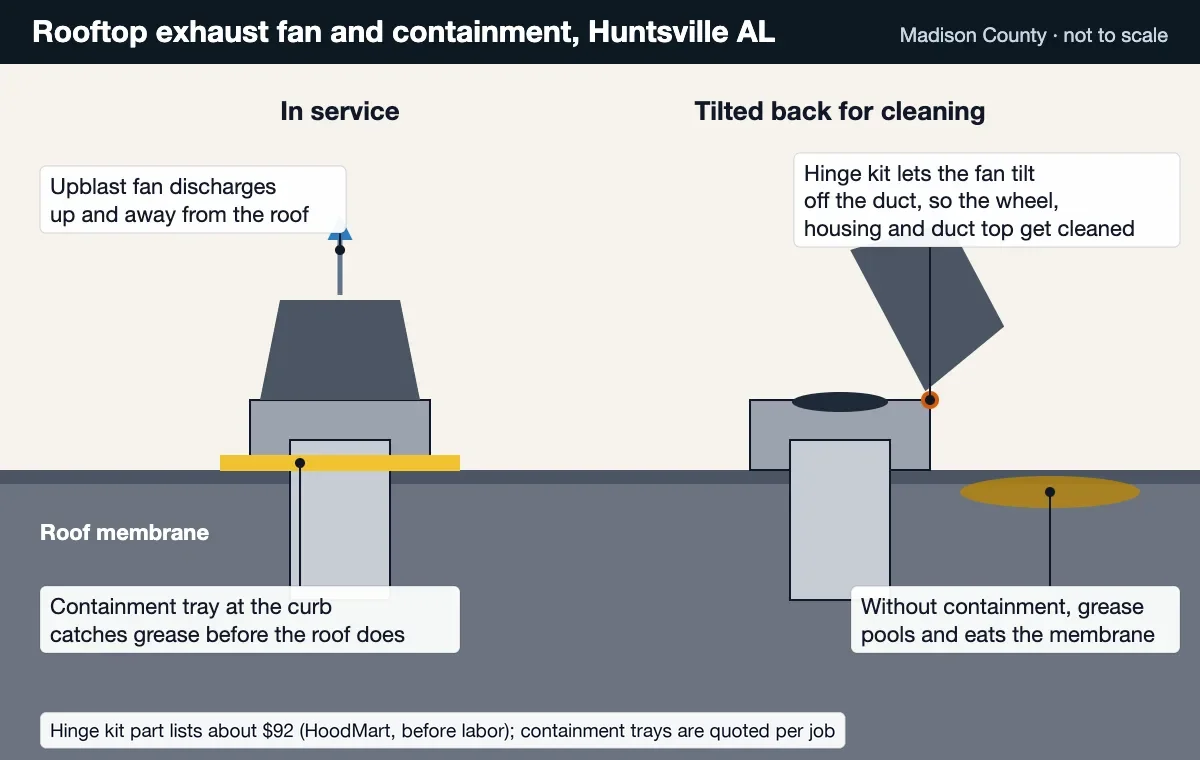
- Hinge kit installation: lets the fan tilt open for cleaning and repair without unbolting it from the duct.
- Fan replacement: when the housing is cracked, the wheel is damaged or the fan is undersized for the hood.
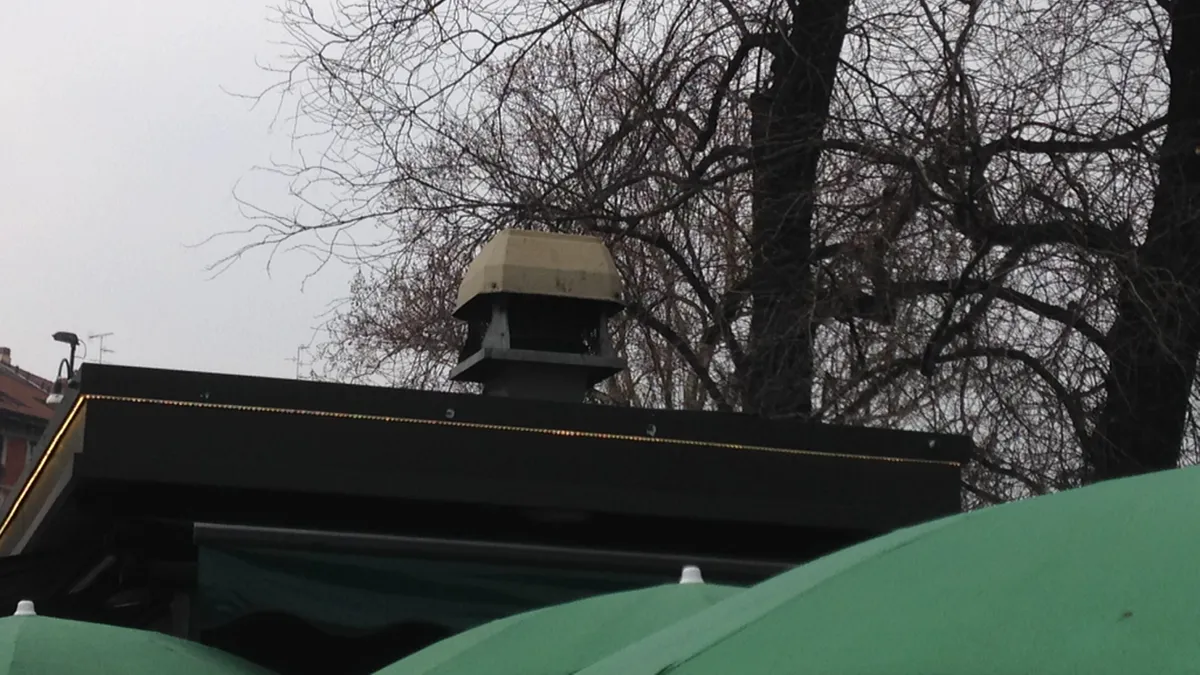
Exhaust Fan Symptoms and What They Usually Mean
The fastest diagnosis starts from what the kitchen notices. This table pairs the common complaints with their usual causes; a technician confirms on the roof before replacing anything.
| What you notice | Usual cause | Typical repair |
|---|---|---|
| Motor hums, wheel barely turns | Broken, slipping or glazed belt | Belt and pulley check, new belt, tension set |
| Squeal at start-up | Loose belt | Tension adjusted or belt replaced |
| Grinding or rumbling | Dry or failing bearings | Bearings replaced before they seize the shaft |
| Thump that rises with speed | Wheel out of balance from grease or damage | Wheel cleaned to bare metal; replaced if bent |
| Fan dead, no hum | Tripped breaker, failed motor, interlock or switch | Electrical check; motor replaced if failed |
| Smoke rolls out under the hood | Low fan speed, loaded wheel or starved makeup air | Belt, wheel and makeup air checked together |
| Grease running down the roof | No containment, cracked housing or clogged fan drain | Drain cleared, containment added |
Smoke under the hood with a healthy fan is often not a fan problem at all. The fan can only pull out what the room can replace, so a makeup air unit that is off, a dirty makeup air filter or a kitchen sealed tight on a cold morning starves the hood. If the belt, wheel and motor check out, the makeup air side is next.
Grease, Belts and Bearings: Why Hood Fans Wear Out
A restaurant exhaust fan lives a harder life than an office fan. It runs every service hour, it moves hot air loaded with grease vapor, and it sits on a roof in North Alabama summers and winter rain. Grease that gets past the filters coats the wheel, and a coated wheel is heavier on one side than the other. That imbalance shakes the shaft, works the bearings loose and makes the belt flap, so poor cleaning shows up later as a repair bill.
Belts are the wear item. Fan maintenance programs commonly bundle belts, bearings and motor checks into each visit; one national provider prices that at $110 per fan per month on a quarterly visit schedule. Whether you buy a program or pay per repair, the cheapest habit is having the fan opened and looked at every time the hood is cleaned, which is what the hinge makes possible.
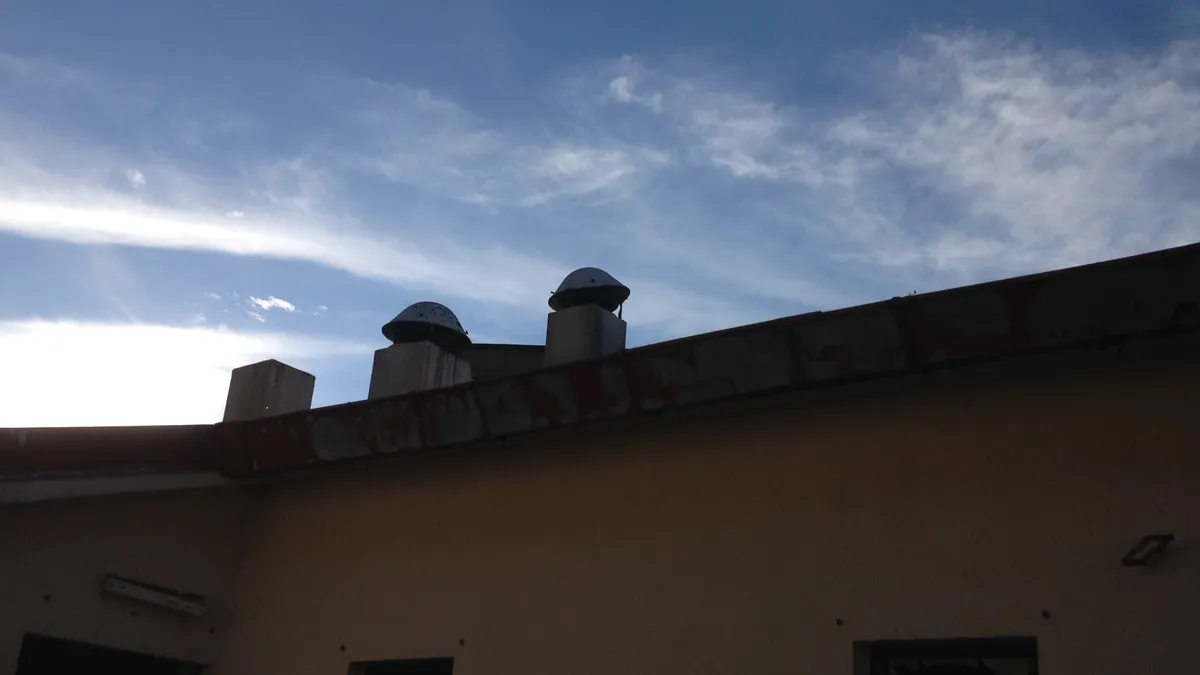
Repair or Replace the Fan?
Repair the fan when the problem is a belt, bearing, pulley or motor and the housing and wheel are sound. Replace it when the housing is cracked or rusted through, the wheel is bent, or the fan was never sized for the hood it serves, which happens when a kitchen adds appliances under an existing hood. One 2026 replacement guide put upblast fans at $300 to $2,000+ for the unit, hood-mounted fans at $200 to $1,200, inline duct fans at $250 to $900 and heavy-duty roof fans at $600 to $3,500, with installation at $250 to $650+ depending on roof access and electrical work.
Changing a fan's size or type is mechanical work that the city permits, not a maintenance swap. Our hood cleaning permit guide explains where Huntsville draws that line.
Restaurant Exhaust Fan Repair: Questions
Why is my kitchen exhaust fan not working?
The most common cause is a broken or slipping belt: the motor runs but the fan wheel barely turns, so the hood stops pulling smoke. Next come seized bearings, a failed motor, a tripped breaker or interlock, and a fan wheel so loaded with grease that it is out of balance. A technician on the roof can tell which in a few minutes by looking at the belt, spinning the wheel by hand and checking the motor.
Why is my exhaust fan making noise?
A squeal at start-up is usually a loose or glazed belt. A steady grinding or rumble points to dry or failing bearings. A thump that rises with speed is a wheel out of balance, often from grease caked on one side of the blades. Each of these gets worse with time, and a bearing that seizes can take the motor with it.
How do restaurant exhaust fans work?
Most restaurant hoods use an upblast centrifugal fan on a roof curb: a motor turns a wheel, through a belt or directly, and the wheel throws air up and away from the roof. The fan pulls air through the hood filters and duct, and a makeup air unit or open doors replace that air in the kitchen. If the fan slows down, the hood loses capture and smoke rolls out under the canopy.
How much does exhaust fan repair cost?
Parts are the small part of most repairs: replacement V-belts start around $25 for a pack of three and a standard hinge kit lists around $92 before labor. Labor and access set the bill. When the fan itself has to be replaced, one 2026 guide put upblast fans at $300 to $2,000+ for the unit plus $250 to $650+ to install.
How often should exhaust fan belts be replaced?
Check belt tension and wear at every hood cleaning and replace the belt when it is cracked, glazed, frayed or stretched past its adjustment. Fans on long-hour kitchens wear belts fastest. Keeping a spare belt of the right size in the office turns a dead fan into a short fix.
Does a hinge kit count as a repair or a code requirement?
Both, in practice. NFPA 96 Chapter 8 expects an upblast fan to be serviceable, and a hinge lets it tilt open for cleaning without unbolting it from the duct. A fan with no hinge gets lifted off and set on the roof every visit, which strains the wiring and the curb and is how flashing gets torn.
Should the exhaust fan run during a suppression discharge?
Follow the system design and the fire protection contractor: NFPA 96 lets the exhaust fan keep running after a suppression discharge unless the system is designed to shut it down, while the fuel or power to the cooking appliances must shut off. A repair that rewires the fan has to keep that interlock working.
Grease on the wheel and housing is a cleaning job: see kitchen exhaust fan cleaning. Grease on the roof membrane is covered under rooftop grease containment.