Wood-Fired Oven and Smoker Hood Cleaning in Huntsville, AL
Wood-fired oven and smoker hood cleaning in Huntsville takes creosote and grease out of the hood, spark arrester, duct and roof fan above solid fuel cooking. NFPA 96 puts these systems on a monthly inspection, the tightest schedule in the standard, because wood smoke loads a duct faster than any fryer.
Why Wood-Fired Oven and Smoker Hood Cleaning in Huntsville Runs Monthly
Solid fuel cooking makes two kinds of buildup at once: grease from the food and creosote from the fire. Creosote forms when wood smoke cools before it burns completely, and it sticks to the hood, duct walls and fan as a tar that hardens with each layer. It has relatively low flash and auto-ignition temperatures, and a fire can start in the duct itself, above the fusible links that set off the hood's suppression system.
That is why NFPA 96 Table 12.4 gives systems serving solid fuel cooking a monthly inspection, ahead of quarterly for charbroiling and wok kitchens. A fire investigator quoted in a CaptiveAire engineering article on solid fuel cooking put it more bluntly: buildup from solid fuel cooking can create a serious fire hazard in as little as a week.
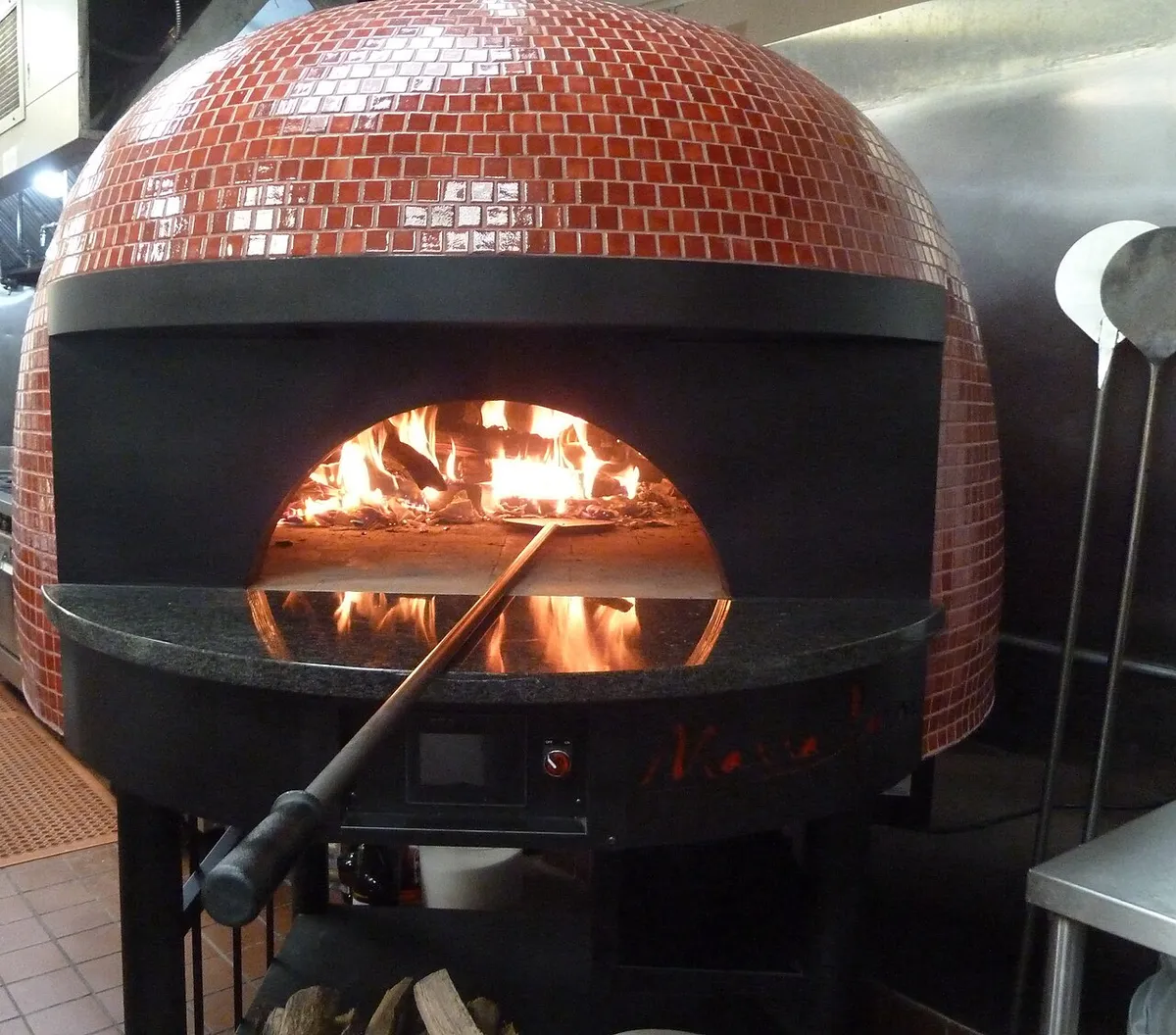
What Solid Fuel Exhaust Cleaning Covers
- Spark arrester: the screen or arrester filter that stops embers reaching the plenum and duct. NFPA 96 Chapter 14 requires one; it clogs with soot and creosote and is cleaned or replaced at each visit.
- Hood and plenum: creosote scraped first, then degreased; solid fuel residue does not come off with the water and chemistry used on a fryer hood alone.
- Duct: every reachable section, with access panels where there are none. Creosote collects at elbows and where the duct runs through cooler space.
- Exhaust fan: wheel and housing; creosote on a fan wheel unbalances it faster than grease does.
- Roof and containment: dark residue around the fan curb cleaned, containment checked.
The oven itself (floor, dome, firebox) and ash handling stay with the kitchen. Ash goes into a closed metal container with a tight lid, and the fuel stack near the oven is kept to what the code and your fire inspector allow.
Hood, Chimney or Both: Which Code Applies to Your Oven
The first question on any wood-fired kitchen is how the oven vents, because it decides who cleans it. An oven or smoker under a Type I hood, venting through a welded grease duct to a roof fan, falls under NFPA 96 Chapter 14: its own exhaust system, a spark arrester, fire protection for the appliance and that monthly inspection. That is hood cleaning work.
A masonry oven vented straight into a chimney flue follows NFPA 211, the chimney and venting standard, and NFPA 96 does not require fixed automatic suppression for it in that case. Cleaning that flue is chimney sweep work. Some kitchens have both: an oven with its own flue sitting under a canopy that also catches grease from a nearby line.
A smoker on a trailer outside the back door is a third case: it is outdoor cooking, not part of the hood system, but a smoker moved indoors or tied into the kitchen exhaust brings the whole Chapter 14 list with it. Tell the inspector which setup you have; the answer changes the scope and the schedule.
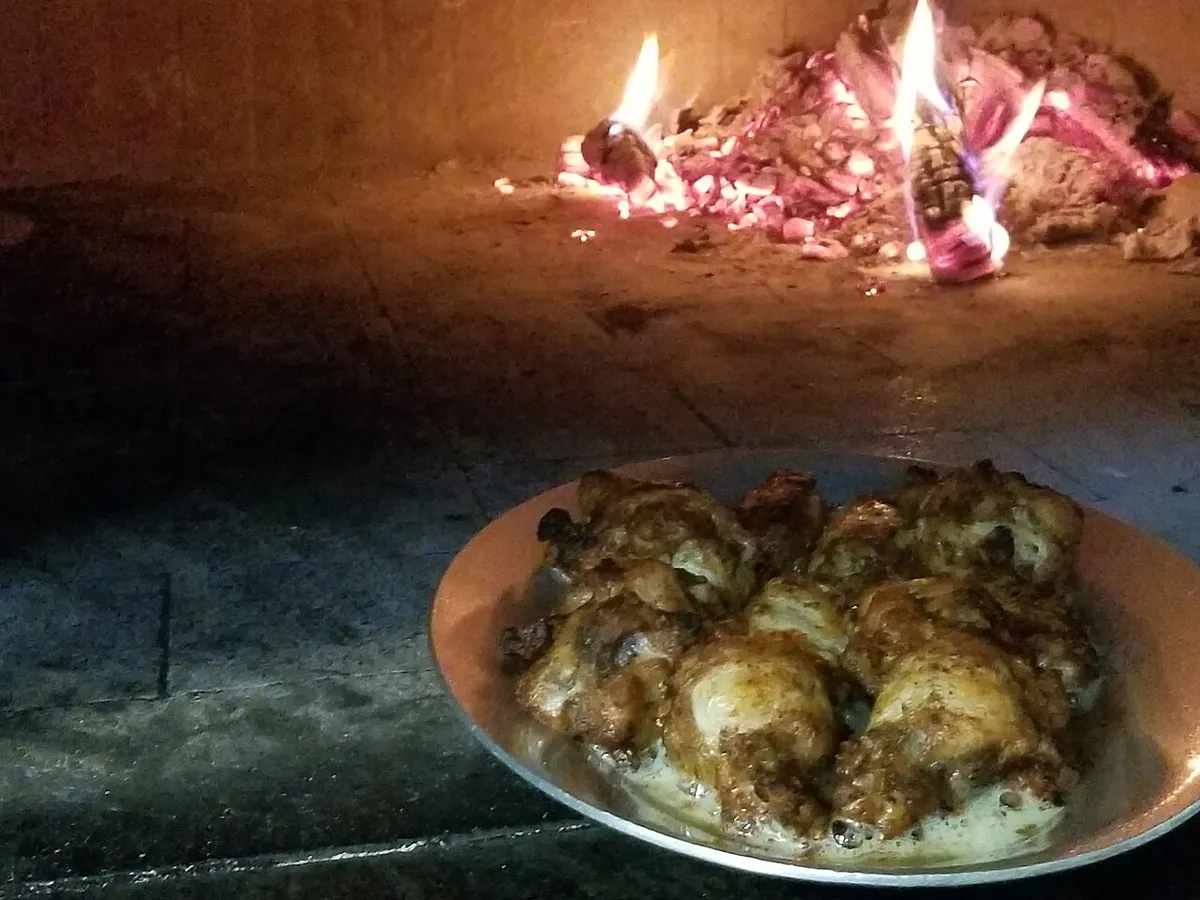
Wood-Fired and Barbecue Kitchens in Huntsville
Barbecue and wood-fired pizza are part of North Alabama's menu. For a kitchen, the practical point is volume: a restaurant that smokes meat daily and runs a pizza oven at dinner is a solid fuel kitchen every day of the year, and monthly service is the baseline, not an upsell.
The other point is mixed kitchens. A wood-fired oven added to an existing restaurant often ends up near, or under, the hood that serves the fryers and flat-top. Before the first monthly visit, an inspection should confirm the oven has its own exhaust path and spark arrester, because that is the most common Chapter 14 problem in a converted kitchen. See kitchen hood inspection for what that visit records.
Wood-Fired Oven and Smoker Hood Cleaning: Questions
How often does a wood-fired oven or smoker exhaust need cleaning?
NFPA 96 Table 12.4 puts every system serving solid fuel cooking (wood, charcoal, pellets) on a monthly inspection, the tightest schedule in the standard, with any contaminated part cleaned. Busy wood-fired kitchens often need cleaning at most of those monthly visits, because creosote and grease build fast.
Does a commercial wood-fired pizza oven need a chimney?
It needs a listed path for its smoke. A wood-fired oven under a hood vents through a Type I hood and a duct built to NFPA 96 Chapter 14, with a spark arrester and its own exhaust system. A masonry oven vented directly into a chimney is treated under NFPA 211 instead, which is chimney sweep work rather than hood cleaning.
Can a wood-fired oven share a hood with the fryers?
Not as a rule. NFPA 96 Chapter 14 expects solid fuel cooking to have its own exhaust system, because sparks and embers from the fire should not reach a duct carrying grease from other appliances. Where a kitchen has tied a smoker or oven into the main hood, an inspection should flag it.
What is creosote and why is it worse than grease?
Creosote is the tar-like residue left by wood smoke that does not burn completely; it condenses on the cooler surfaces of the hood, duct and fan. It has relatively low flash and auto-ignition temperatures and burns hard, and fires can start in the duct itself, above the fusible links that trigger the hood's suppression system.
Is wood-fired oven cleaning the same as hood cleaning?
Partly. The oven floor, dome and firebox are cleaned by kitchen staff daily as part of running the oven. The exhaust above it (hood, spark arrester, filters, duct and fan) is the hood cleaner's work. A masonry oven with its own chimney flue is usually a chimney sweep job.