Hood Cleaning in Madison, AL
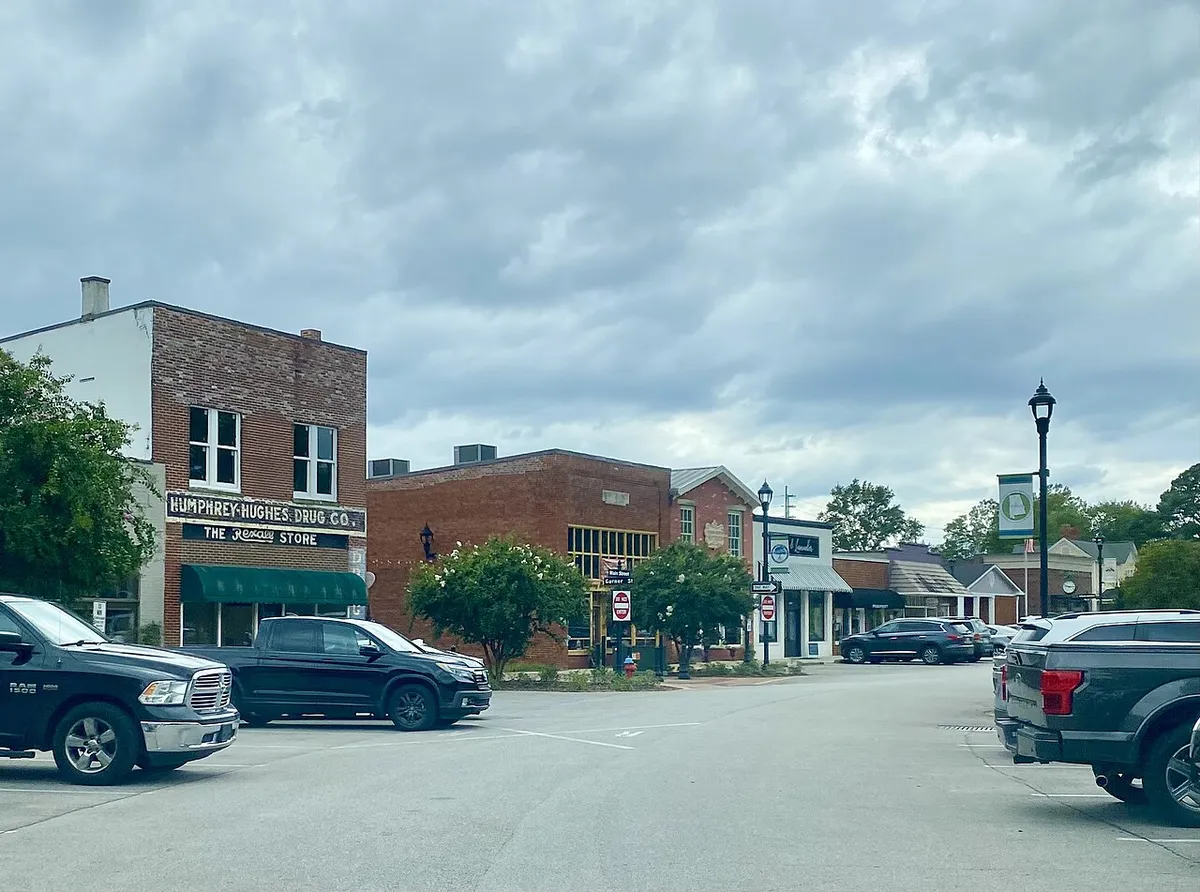
Hood cleaning in Madison, AL covers the full kitchen exhaust system of restaurants and commercial kitchens across the city, from historic Main Street to Town Madison and the Madison Boulevard and US-72 corridors: filters, hood, duct and roof fan cleaned to NFPA 96, finished with the dated sticker Madison Fire & Rescue looks for at its yearly inspection.
Hood Cleaning for Madison Restaurants and Commercial Kitchens
The work is the same complete system service as anywhere: baffle filters soaked and checked, the plenum and hood interior taken to bare metal, every reachable section of grease duct cleaned with access panels added where a section cannot be reached, and the upblast fan opened, degreased and checked for belt and bearing wear. What is specific to Madison is who checks the result and how fast the city has added new kitchens.
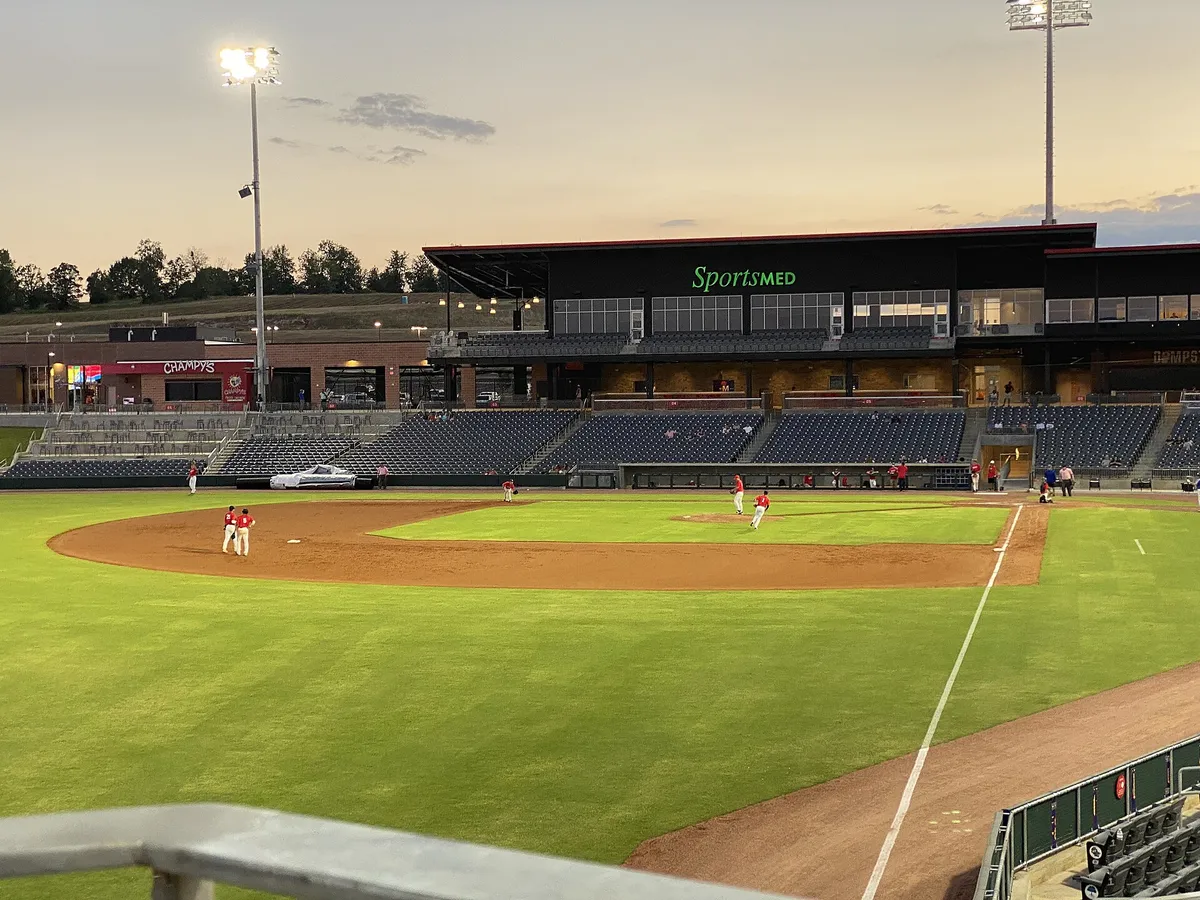
Madison grew from 56,933 people at the 2020 census to an estimated 64,029 in 2024, and its restaurant stock grew with it. Much of it is second-generation space along Madison Boulevard (AL-20) and University Drive (US-72), plus newer build-outs around Town Madison, where Toyota Field opened in 2020 as home of the Rocket City Trash Pandas. New and old kitchens fail in different ways, covered below.
Madison Fire & Rescue Inspections and Your Hood Cleaning Sticker
Madison is almost entirely surrounded by Huntsville, but it is its own city with its own fire department, and that matters for paperwork. Madison Fire & Rescue inspects commercial occupancies, naming restaurants, schools, daycares and hotels among them, and enforces the 2021 International Fire Code and the current NFPA codes it references. The city's building side works from the 2018 International Building Code, and the department follows whichever rule is more restrictive on fire safety.
The department says existing occupancies should be inspected every year and asks businesses that have gone a year without one to call and schedule it. So in Madison, a kitchen can expect its hood paperwork to be looked at on a yearly rhythm: a dated cleaning sticker that matches the Table 12.4 schedule for its cooking, a current suppression tag, filters seated and grease cups emptied. A sticker dated two cycles back is an easy way for a clean-looking kitchen to fail.
New restaurants go the other way: the Permitting Division handles new occupancy inspections, and the hood, duct and fan installation is permitted work. Cleaning is not, but a first cleaning soon after opening sets the baseline every later report compares against. Our hood cleaning certificates and reports page lists what that record should show.
One City, Two Counties: Health Permits in Madison
Madison spans two counties, Madison and Limestone, and food establishments are permitted and inspected by the county health department where they sit, both local offices of the Alabama Department of Public Health. A restaurant on the eastern side answers to the Madison County Health Department; one on the western, Limestone County side answers to the Limestone County Health Department.
For the hood, the code does not change at the county line: NFPA 96 sets the cleaning schedule and the fire department checks it. The difference is which health office reviews ventilation upkeep during a food inspection, and which one a new owner calls about plan review. If you also operate in Athens, the Athens hood cleaning page covers the Limestone County side in more detail.
Kitchen Types Across Madison
Madison's kitchens are mostly quick-service and casual-dining restaurants on the main corridors, plus institutional kitchens. Madison City Schools serves more than 13,300 students, and school cafeterias are a good fit for summer-break cleaning, when the kitchen is idle long enough to do the full system and any access panel work in one visit.
Event-driven kitchens around Town Madison swing between quiet weekdays and heavy game nights. For those, the right schedule follows actual cooking hours over the season rather than the calendar, and an inspection at the end of the busy stretch shows whether the interval holds. The kitchen hood inspection page explains how that check is done.
Hood Cleaning in Madison, AL: Questions
Who inspects restaurant hoods in Madison, AL?
Madison Fire & Rescue, not Huntsville Fire & Rescue. Madison is its own city, and its fire department inspects commercial occupancies, restaurants included, under the 2021 International Fire Code and the NFPA codes it references. The inspector checks for a current hood cleaning sticker and suppression tag.
How often is a Madison restaurant inspected by the fire department?
Madison Fire & Rescue says existing occupancies should be inspected annually, and asks businesses that have not been inspected in the past year to call and schedule one. New occupancies are inspected through the city's Permitting Division before opening.
How often does a Madison restaurant need hood cleaning?
On the NFPA 96 Table 12.4 schedule for its cooking: monthly for wood or charcoal, quarterly for high-volume cooking such as charbroiling, wok work or 24-hour service, every six months for moderate volume and yearly for light use such as a church kitchen. The city line does not change the schedule.
Which health department covers a restaurant in Madison?
It depends on which side of the county line the restaurant sits. Madison spans Madison County and Limestone County, so most of the city is under the Madison County Health Department and the western part under the Limestone County Health Department, both local offices of the Alabama Department of Public Health.
What does hood cleaning cost in Madison?
No Madison company publishes prices. The National Hood Cleaners Association's 2026 ranges are a fair yardstick: about $300 to $700 per visit for a light-use single hood, $450 to $1,200 for a standard full-service restaurant and $600 to $1,800 for high-volume or multi-hood kitchens, with filters, belts and access panels quoted on top.
Do I need a permit for hood cleaning in Madison?
No. Cleaning is maintenance. Installing, replacing or relocating a hood, duct or fan is permitted work, and in Madison that goes through the city's Permitting Division, with fire review for the new occupancy.